Identifying and Addressing Termite Damage

Termites are a significant threat to the structural integrity of buildings. Their ability to consume wood and other cellulose materials silently and persistently can lead to extensive damage before detection. Understanding how to identify termite damage early and knowing the appropriate steps to address it are essential for protecting property investments. This article provides a detailed guide on recognizing termite damage and outlines effective measures to manage and prevent infestations.
Identifying Termite Damage
Termite damage often goes unnoticed until it becomes severe. These insects consume wood from the inside out, leaving a thin veneer of surface material that can appear intact at first glance. To identify termite damage, it is important to look for specific signs:
Mud Tubes: Termites build mud tubes to travel between their colony and food sources. These tubes are typically found on foundation walls, wooden beams, or crawl spaces.
Hollow Wood: Tapping on wood surfaces that sound hollow or feel soft can indicate internal termite damage.
Blistered or Bubbling Paint: Termite activity beneath the surface can cause paint to bubble or blister.
Frass: Drywood termites leave behind small piles of wood-colored droppings called frass near infested areas.
Swarmers: The presence of winged termites, especially near windows or light sources, signals an active infestation.
Regular inspections of vulnerable areas such as basements, attics, and wooden structures are crucial. For more detailed guidance, you can refer to how to spot termite damage.

Common Types of Termite Damage
Termite damage varies depending on the species and the materials they infest. The two primary types of termites affecting buildings are subterranean and drywood termites.
Subterranean Termites: These termites live underground and build mud tubes to access wood. They cause damage by hollowing out wood from the inside, often leaving a thin outer layer intact.
Drywood Termites: These termites infest dry wood above ground and do not require contact with soil. They create small holes in wood surfaces and leave frass piles.
Damage can affect structural components such as beams, joists, and studs, compromising the building's stability. Electrical wiring and insulation may also be damaged, increasing the risk of fire hazards.
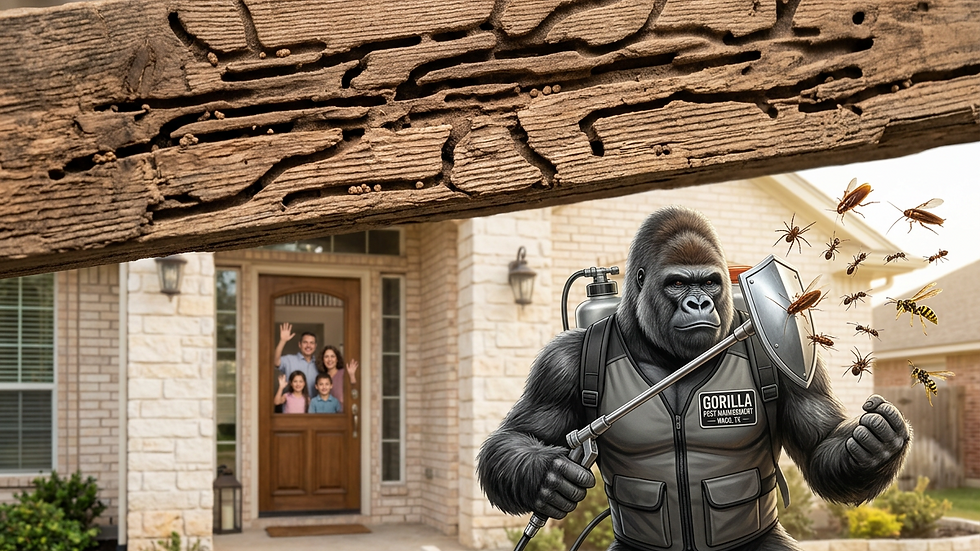
How Long Can You Have Termites and Not Know?
Termites can remain undetected for months or even years. Subterranean termites, in particular, can cause significant damage before visible signs appear. Their colonies can contain thousands to millions of individuals, and their feeding activity is continuous.
The length of time termites remain unnoticed depends on factors such as:
Building Construction: Buildings with wooden foundations or poor ventilation are more susceptible.
Inspection Frequency: Infrequent inspections increase the risk of late detection.
Termite Species: Some species are more aggressive and cause faster damage.
Because of this, regular professional inspections are recommended, especially in regions like Central Texas where termite activity is prevalent. Early detection is critical to minimizing damage and repair costs.
Steps to Address Termite Damage
Once termite damage is identified, prompt action is necessary to prevent further destruction. The following steps outline an effective approach:
Confirm the Infestation: Engage a licensed pest control professional to verify the presence of termites and identify the species.
Assess the Extent of Damage: A thorough inspection will determine the severity and areas affected.
Implement Treatment: Treatment options include liquid termiticides, baiting systems, and fumigation. The choice depends on the infestation type and property layout.
Repair Structural Damage: Replace or reinforce damaged wood components to restore structural integrity.
Prevent Future Infestations: Implement measures such as reducing wood-to-soil contact, improving drainage, sealing entry points, and maintaining regular inspections.
Documentation of the treatment and repairs is advisable for future reference and property transactions.
Preventive Measures and Maintenance
Prevention is the most cost-effective strategy against termite damage. The following practices help reduce the risk of infestation:
Eliminate Moisture Sources: Fix leaks and ensure proper drainage to reduce moisture that attracts termites.
Remove Wood Debris: Clear away wood piles, stumps, and construction debris near the building.
Maintain a Barrier: Keep a gap between soil and wooden parts of the structure.
Use Treated Wood: For new construction or repairs, use termite-resistant or treated wood.
Schedule Regular Inspections: Annual inspections by pest control professionals help detect early signs of termite activity.
Adhering to these measures can significantly reduce the likelihood of termite damage and protect the property’s value.
Taking Control of Termite Damage
Addressing termite damage requires vigilance and timely intervention. By understanding the signs and acting decisively, it is possible to mitigate the impact of these destructive pests. Regular inspections, professional treatments, and preventive maintenance form the foundation of an effective termite management plan. Protecting your property from termites is an ongoing responsibility that demands attention to detail and commitment to best practices.
Early identification and comprehensive treatment are essential to preserving the safety and longevity of any building.


